Gherghel makes the case for specific problem gambling awareness in women’s sport during global summit
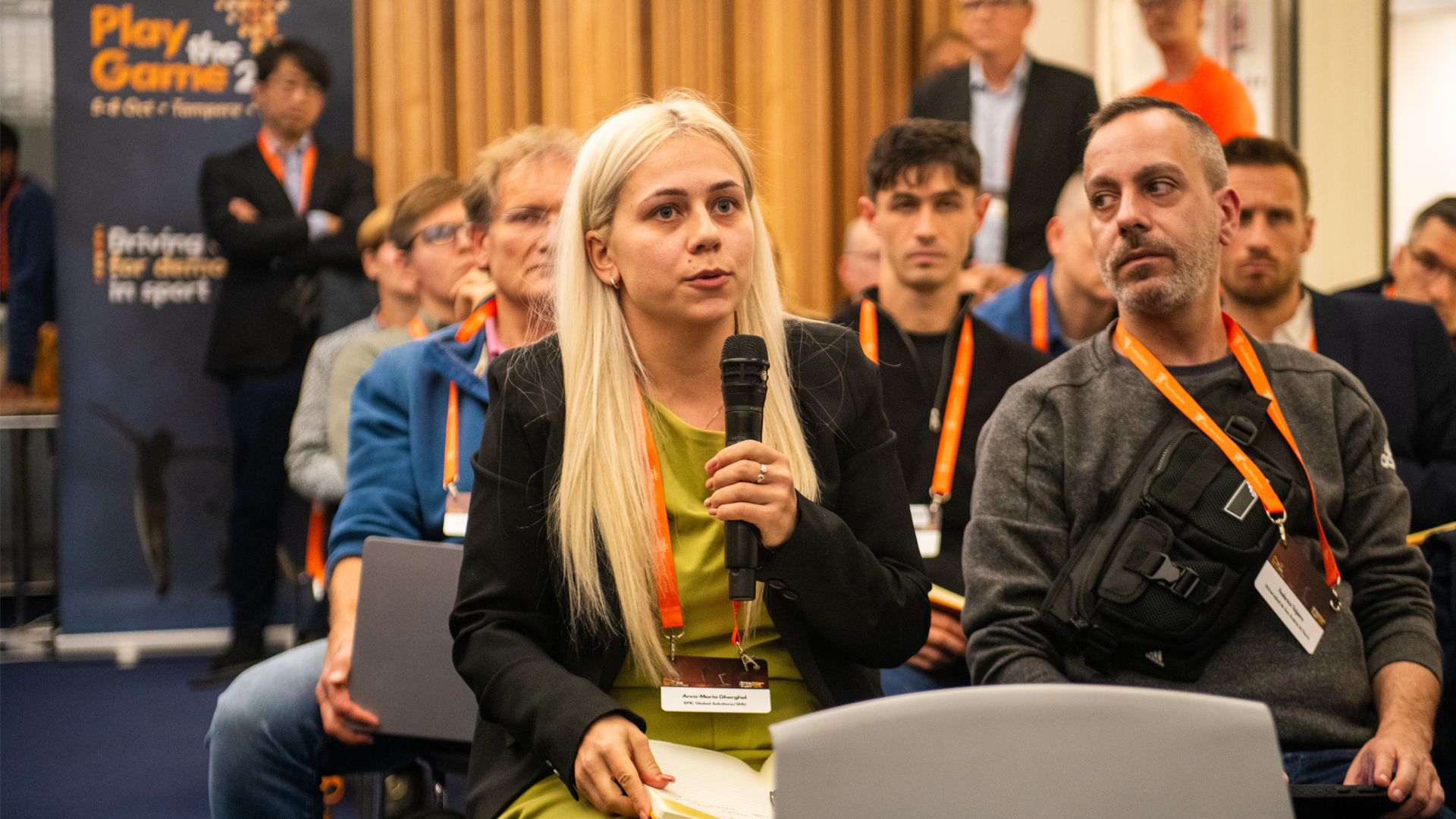
Anca-Maria Gherghel’s ongoing PhD investigation into the effect of gambling-related issues in women’s elite sport proved to be an ‘eye-opening’ presentation, as she made the case for female-specific problem gambling awareness during this year’s ‘Play The Game’ conference in Tampere, Finland.
EPIC Global Solutions’ senior research manager is conducting ongoing research into the effects that gambling has on professional athletes in women’s sport, focusing her research on the leading players in the UK football, cricket and rugby union structures.
The data collated so far indicates that gambling culture appears to be a significant issue for female athletes, which comes with its own set of challenges and requirements, and that there is a need for a gendered approach regarding effective harm measures, policies and interventions surrounding an issue that many misconceive as a male-only problem.
That was a stereotype that Gherghel was keen to reject during her presentation to an audience of globally-leading academics, journalists, athletes and decision-makers during the conference which strives to ‘confront the issues that matter’ in world sport.
“Several people expressed their shock that gambling could be an issue with female athletes; around 90% of the related presentations at this event are around match fixing and the focus is on how that would affect male athletes,” explained Gherghel, having alerted the influential audience to the issue.
“Some people came and told me that it was quite an eye-opener to hear that this isn’t just a male athlete issue and that it can affect female athletes as well.
“Many were shocked to discover how unique this research into women’s elite sport actually is, whilst others were well aware that general research into wider issues in women’s sport tends to be quite rare and stressed how important this study is.”
In the audience to hear Anca-Maria speak in the most populous inland city in the Nordic region were researchers and academics from around the world, plus representatives from gambling authorities and sports associations.
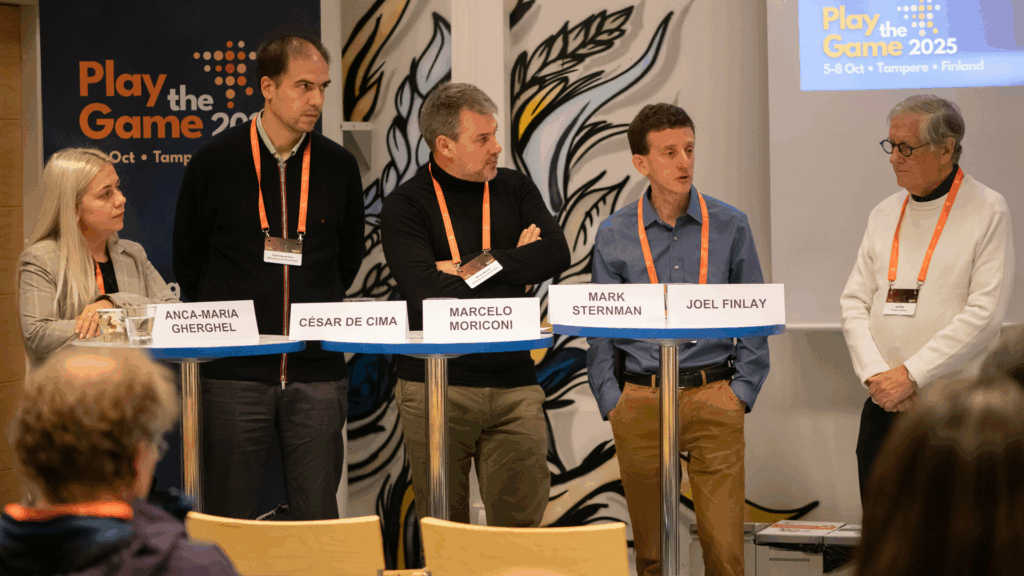
Her continued research into this issue attracted considerable attention at the event – including over an hour of solid questions on the subject immediately after her presentation concluded – and she added that there are many new subscribers to her theories who want to take further action within their organisations, continuing:
“The initial recommendations to clubs that I’m sharing outline how to engage with players through a human lens, and many people I’ve been speaking to are keen to act upon the final conclusions when the full PhD is published. One professor from a leading US university showed a particular interest in the work and how it could be applied among student-athletes at their college.
“The main purpose of this conference was to try and share awareness around athlete wellbeing, talking about the duty of care that sports clubs have towards their athletes. Education around drugs and alcohol issues appear to be commonplace, but fewer people had considered gambling-related harm and the way it can potentially destroy careers.
“A number of people did understand the need for that education; the next step is to ensure that all of those people have put the right steps in place to action it, now that they’ve realised the importance of doing it.”
Given the considerable media scrutiny that is placed on individuals and organisations when news of a sporting integrity issue breaks, some of Anca’s own learnings from the event gave food for thought around leading sporting nations who haven’t yet followed territories like the UK and US in discussing and applying safeguards for athletes who are charged with integrity breaches. She added:
“One interesting piece of feedback was that a lot of sports organizations around the world don’t have a support mechanism in place for match fixing issues; they’re not in a position to understand why a player ended up breaking the rules and will instead move straight to ban or discipline them.
“There were representatives at the event from major sporting nations like France or Germany who said that they didn’t have any personal support available for that eventuality. That’s something we can learn from, and can hopefully help to address in the future, to ensure that player wellbeing is taken into account alongside any disciplinary action that needs to be taken.”
Anca-Maria’s influence as a researcher on the subject of gambling-related harm is sport continues to grow, and she is also currently serving as co-chair of the Sports Integrity Youth Alliance (SIGA) Youth Council in recognition of the effort she is contributing to understanding and addressing this pertinent issue.


